The Biomarker Engine
Deep Learning solutions to boost health and facilitate pain-free monitoring of blood glucose and other biomarkers
We make biomarkers talk
We are a young Swiss health technology startup specializing in the development of AI-driven applications for healthcare. Our primary focus is on enhancing blood glucose monitoring through advanced algorithms for existing sensor hardware, enabling more accurate, reliable, and user-friendly solutions. By combining cutting-edge deep learning methods with our expertise in medical data, we strive to revolutionize digital health and empower individuals to take control of their metabolic health. Highly scalable, at low cost, affordable for all. We call it the Biomarker Engine!

“The Biomarker Engine applies principles and models from other areas beyond health care. First pilots proved that we can make sense from non-invasive, noisy, distorted, inaccurate measurement data.”
Dr. Isabelle Rottmann
Founder, Rottmann Lab
Why integrate the Biomarker Engine in your device in the future?

Existing Hardware
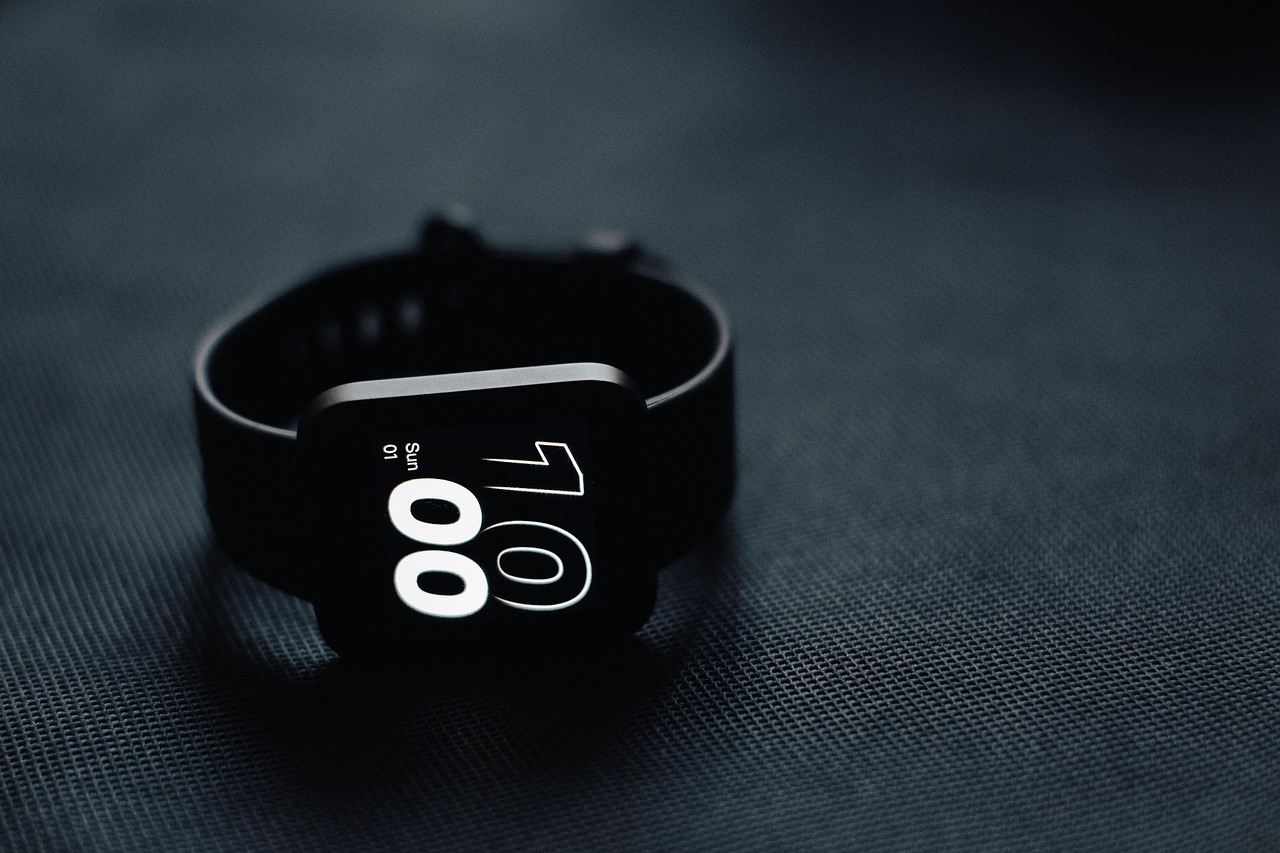
Our solution is made to integrate into existing sensor hardware like smartwatches or smart rings. We fine tune on sensor data of our clients.

Scalability
We apply the newest and most efficient models and technology available and thus unlock highest scalability. This will facilitate your business and boosts your profitability.

Ground-breaking
For decades scientists tried to unlock pain-free blood glucose monitoring – we are about to make it possible. With 6 years of silent development, we are about to enable what has been impossible so far

Unlock your device with the Biomarker Engine
With the Biomarker Engine, device manufacturers will be able to add the ground-breaking feature of measuring blood glucose levels – the gate to endless new health features and programs.
Who we are
We are a team of experienced medical doctors, machine learning engineers, bioinformaticians, and seasoned founders, working across Europe and dedicated to revolutionizing biomarker monitoring. Our mission is to enable pain-free, continuous tracking of vital health indicators—starting with blood glucose, one of the most impactful biomarkers for human health.
The power of PPG
We leverage PPG (Photoplethysmography) sensors that are built in many smartwatches and smart ringe to analyze subtle changes in blood flow, blood components and light absorption. By applying advanced AI-driven algorithms and signal processing techniques, we can extract key physiological patterns from PPG waveforms that correlate with glucose fluctuations. Through continuous calibration and machine learning models trained on real-world data, this technology enables non-invasive, real-time glucose monitoring, offering a pain-free alternative to traditional finger-prick tests or minimal invasive sensors.

 Rottmann Lab